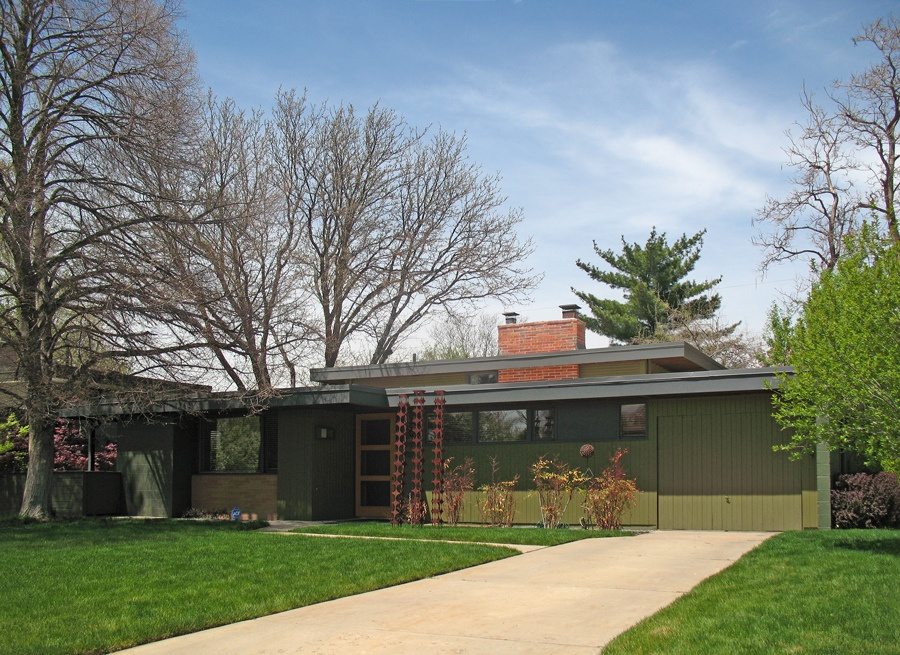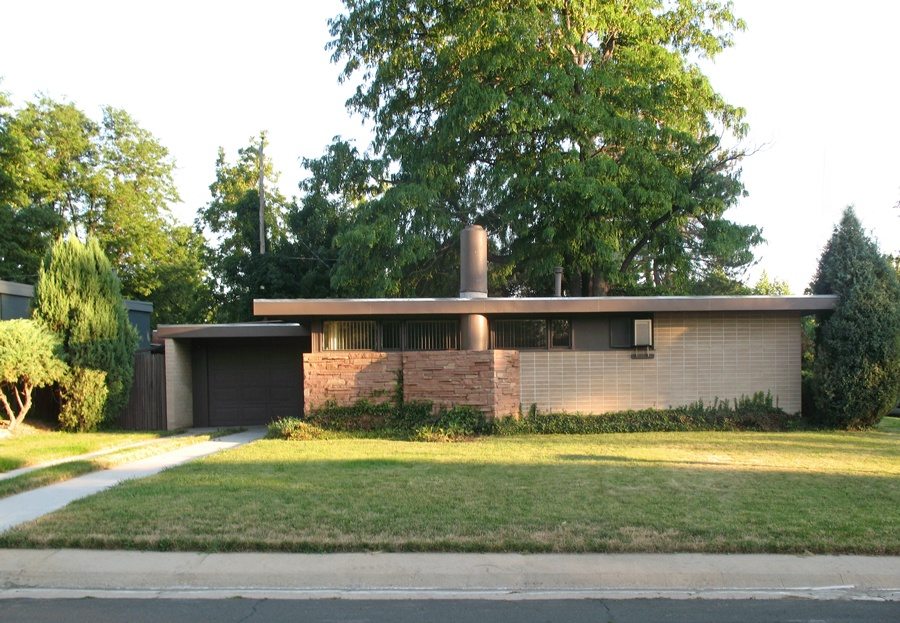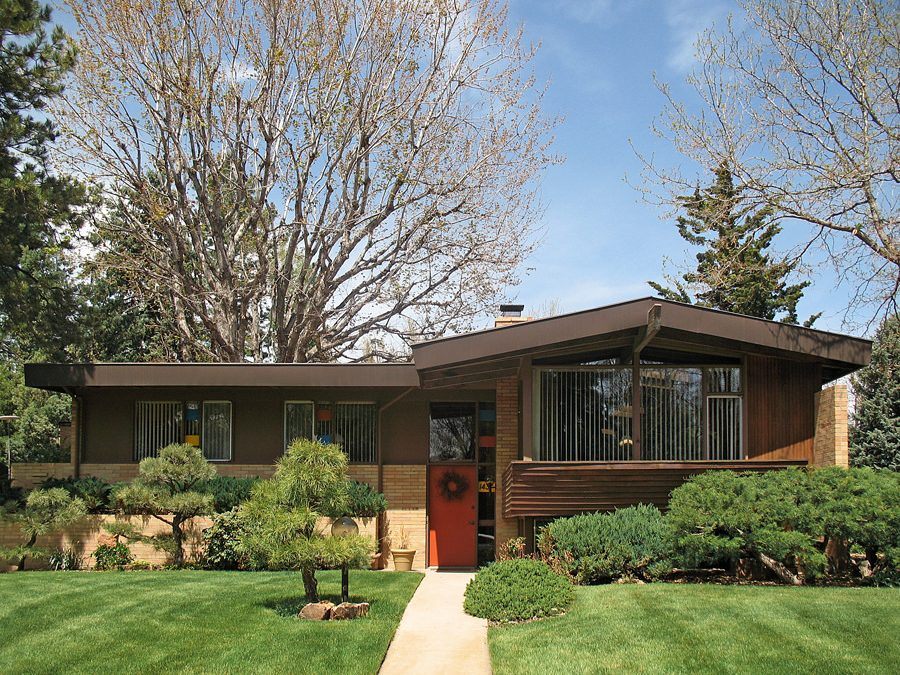
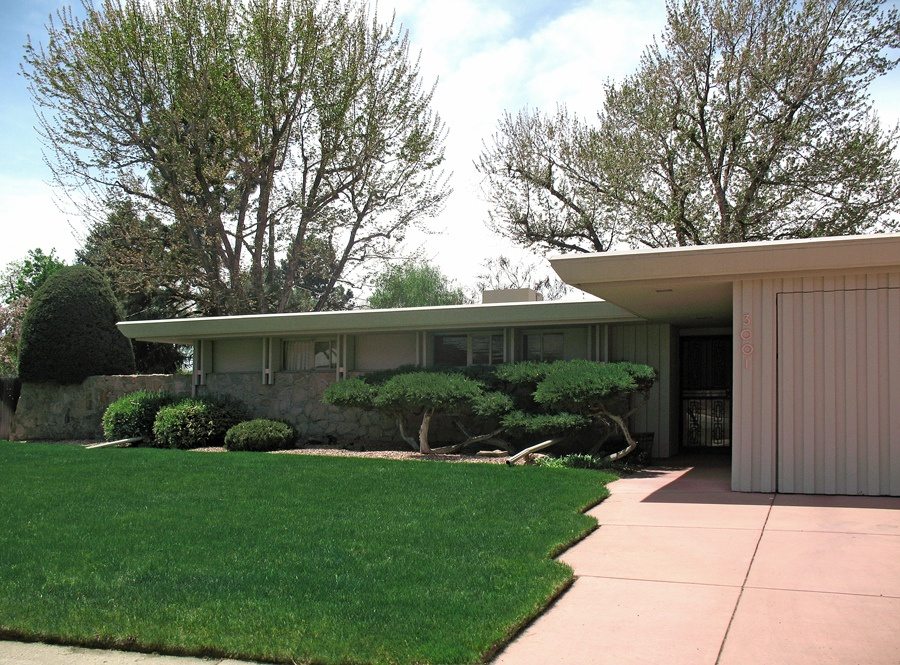
Arapahoe Acres...
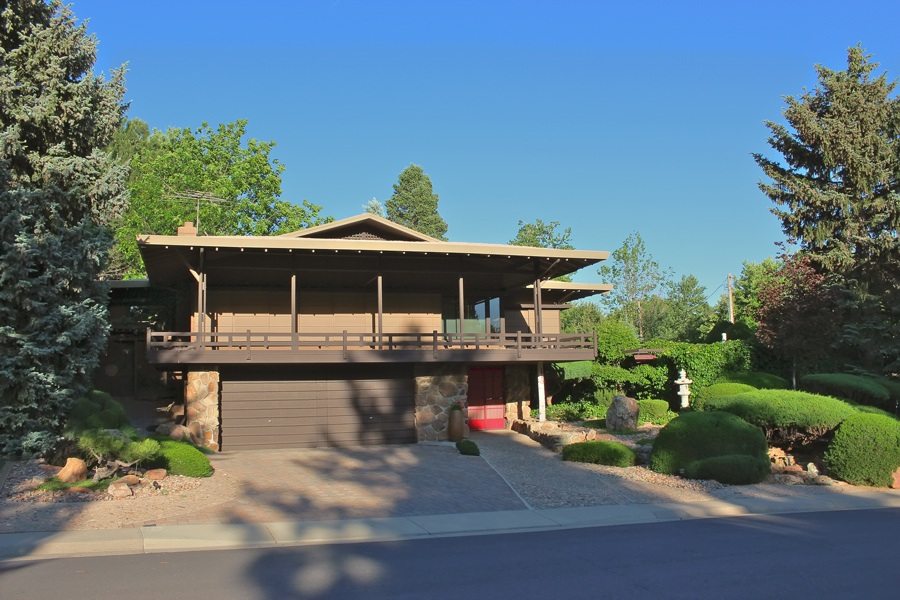
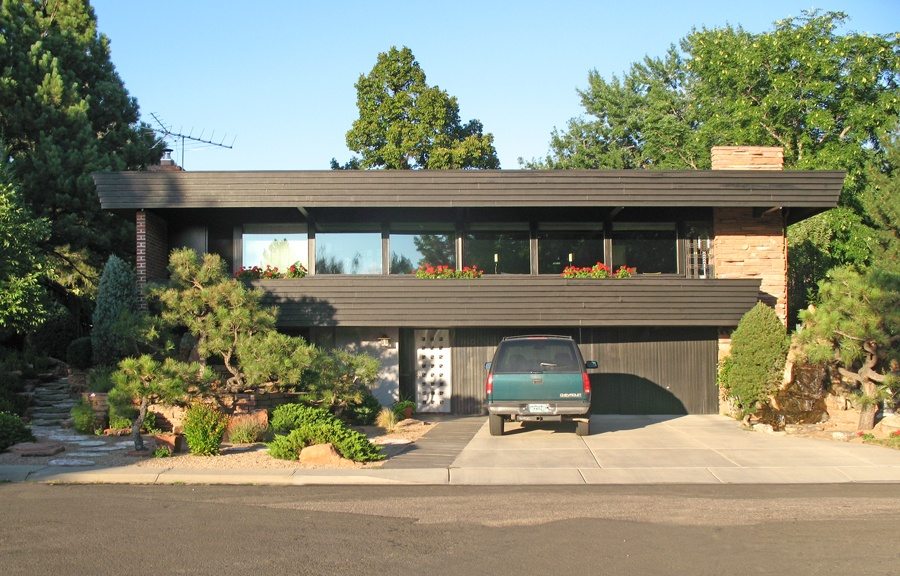
Hawkins house
Ed Hawkins, the man responsible for Arapahoe Acres, built this house in 1957, after
returning from a visit to Japan. He lived in this residence for ten years.
The false balcony is a playful break from the honesty of his beautiful Usonian and
International style designs that permeate Arapahoe Acres.
June 16th, 2011 / 1 Comment » / by Tom Lundin
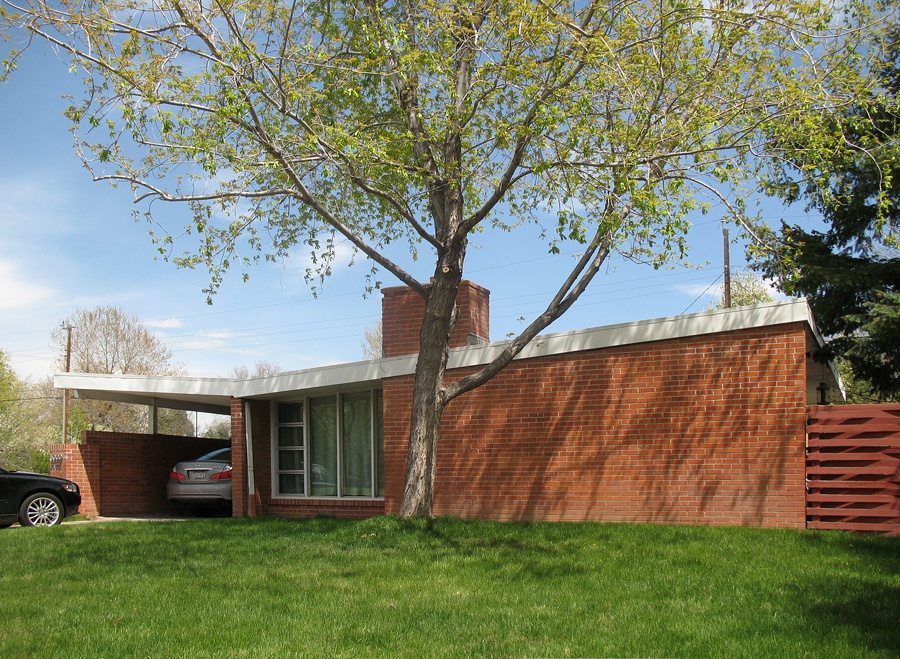
Reed House
One last photo from Arapahoe Acres, this one from today.
The Reed House from 1954, designed by Ed Hawkins and Joseph Dion (I presume)
August 28th, 2010 / No Comments » / by Tom Lundin
Rickard House
The very first house in Arapahoe Acres, the Rickard House. This was a Revere
Copper Quality House!
Designed 1950 by Eugene Sternberg.
August 28th, 2010 / No Comments » / by Tom Lundin
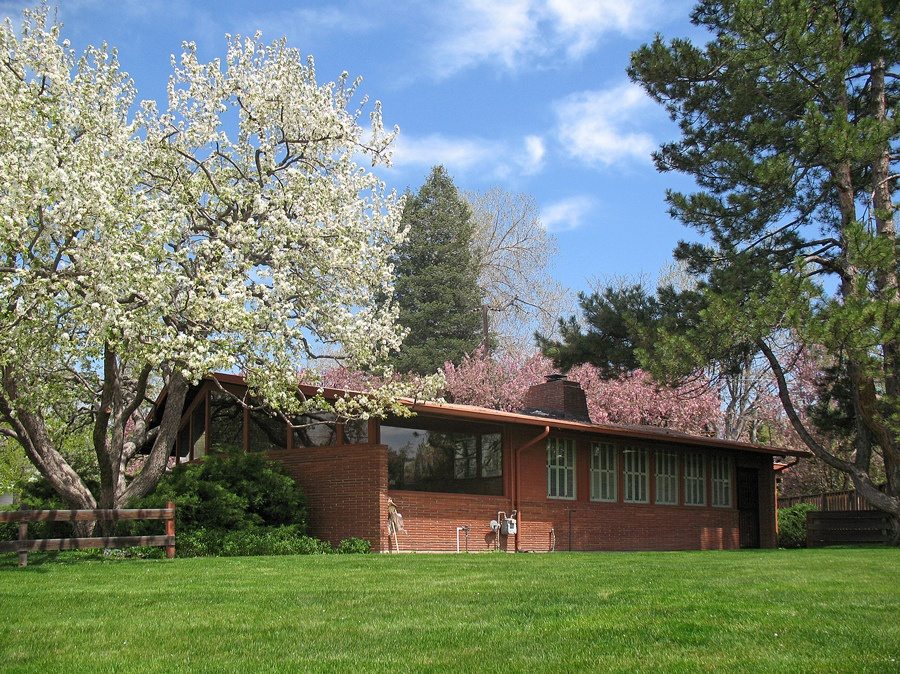
Gable Roofs
Not all Arapahoe Acres homes have flat roofs. The 1954 Reed House by Ed Hawkins and Joseph Dion has two intersecting gable roofs.
August 27th, 2010 / No Comments » / by Tom Lundin
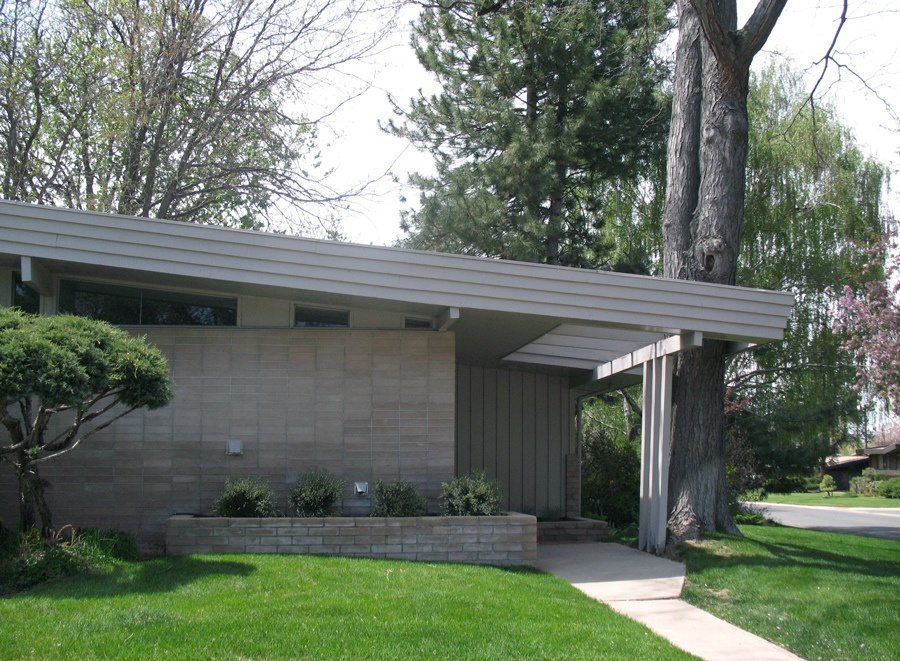
Shady eaves
The eaves of the Peterson House shade the front of this 1955 home in Arapahoe Acres, Englewood.
August 27th, 2010 / No Comments » / by Tom Lundin
Pink Rhyolite Wall
The pink rhyolite wall of the Usonian-style Beville House in Arapahoe Acres, Englewood. Home designed 1955 by Ed Hawkins & Joseph Dion.
August 26th, 2010 / No Comments » / by Tom Lundin
Butterfly Roof
An excellent example of a butterfly roof on the International-style Mass House in Arapahoe
Acres, Englewood. Designed 1951 by Eugene Sternberg.
August 26th, 2010 / No Comments » / by Tom Lundin
Mass House
Butterfly roof on the International-style Mass House in Arapahoe Acres. Designed
1951 by Eugene Sternberg.
July 22nd, 2010 / No Comments » / by Tom Lundin
Usonian roof feature
This Usonian roof feature with a tree piercing the roofline is from the Spivak House in
Arapahoe Acres in Englewood. Designed 1955 by Ed Hawkins and Joseph Dion
(I presume)
July 16th, 2010 / No Comments » / by Tom Lundin
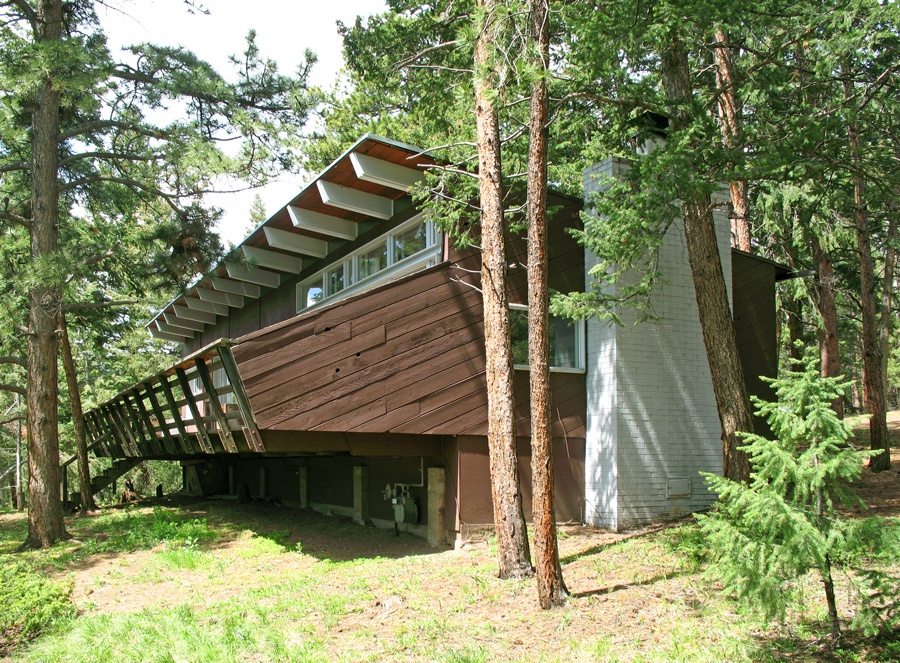
Sternberg mountain cabin
1960’s-era mountain cabin designed by Colorado architect Eugene Sternberg in Evergreen.
Sternberg is well known for designing many of the first homes for Arapahoe Acres (including the innovative street plan) as well as many International-style buildings throughout Littleton.
Here is the beautiful view from the deck of this cabin.
February 26th, 2010 / No Comments » / by Tom Lundin
Wagner House
The Wagner House, designed 1954 by Ed Hawkins for Arapahoe Acres.
The house looks a little different these days as they have built an addition in the back.
February 18th, 2010 / No Comments » / by Tom Lundin
“Irish” house
The Irish House, designed 1953 by Ed Hawkins and Joseph Dion.
February 17th, 2010 / No Comments » / by Tom Lundin
Merry House
The Merry House of Englewood’s Arapahoe Acres from 1957.
I assume designed by Ed Hawkins and Joseph Dion.
February 11th, 2010 / No Comments » / by Tom Lundin
McCoy house
The McCoy House designed 1955 by Ed Hawkins.
Located in Englewood’s Arapahoe Acres.
January 22nd, 2010 / No Comments » / by Tom Lundin
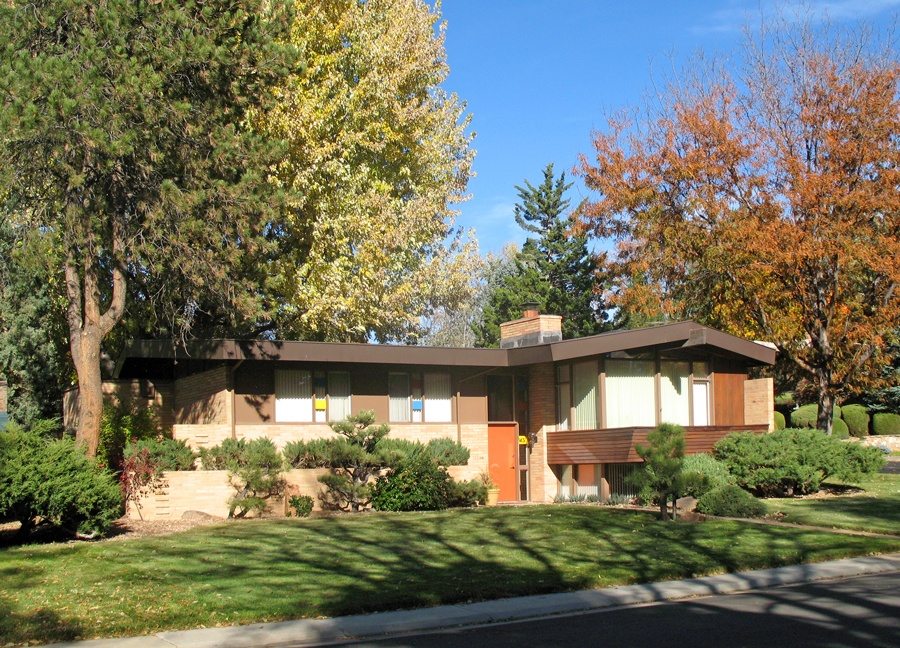
Hawkins house
Hawkins House, designed 1952 by Ed Hawkins as his own residence in Englewood’s
Arapahoe Acres.
December 8th, 2009 / No Comments » / by Tom Lundin
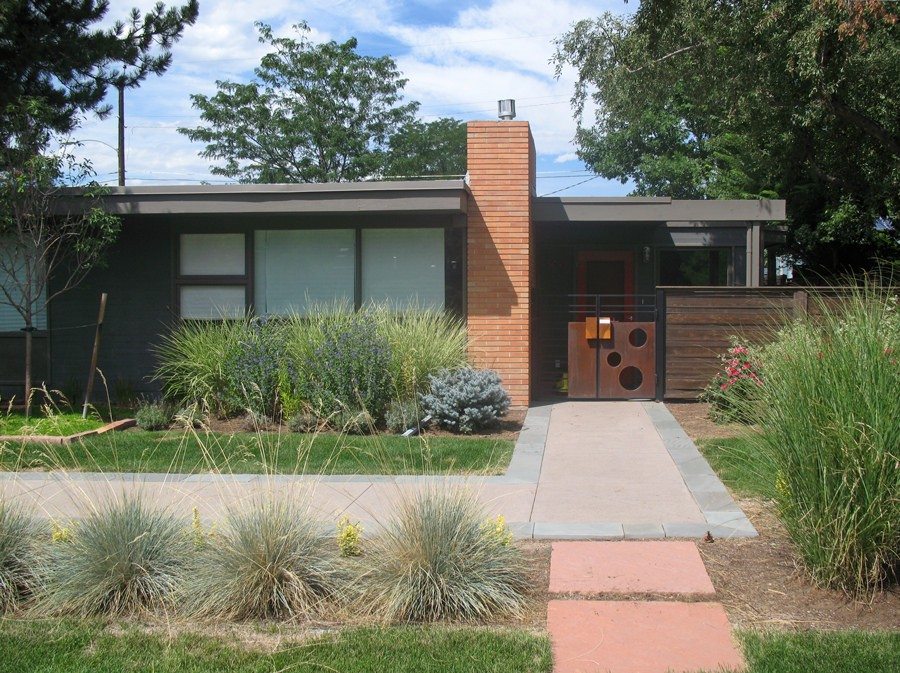
Reed House
The Reed House, a modern house design in Englewood’s Arapahoe Acres from 1954 by Ed Hawkins and Joseph Dion.
The Reed House has beautiful garage doors!
December 2nd, 2009 / No Comments » / by Tom Lundin
Spence house
The Spence House designed 1954, I assume by Ed Hawkins, as this home is in Englewood’s Arapahoe Acres, though it does bear a strong resemblance to Eugene Sternberg’s Mass House, also in Arapahoe Acres.
In this shot, you can see that this has a butterfly roof.
November 24th, 2009 / No Comments » / by Tom Lundin
Peterson House
The Peterson House, a Usonian design from 1952 by Ed Hawkins (I assume). Located in Englewood’s Arapahoe Acres.
November 11th, 2009 / No Comments » / by Tom Lundin
Gilmore House
The Gilmore House, a Usonian-style house which serves as a sort of “flagship” for Englewood’s Arapahoe Acres.
Designed 1954 by the great Ed Hawkins.
September 12th, 2009 / No Comments » / by Tom Lundin