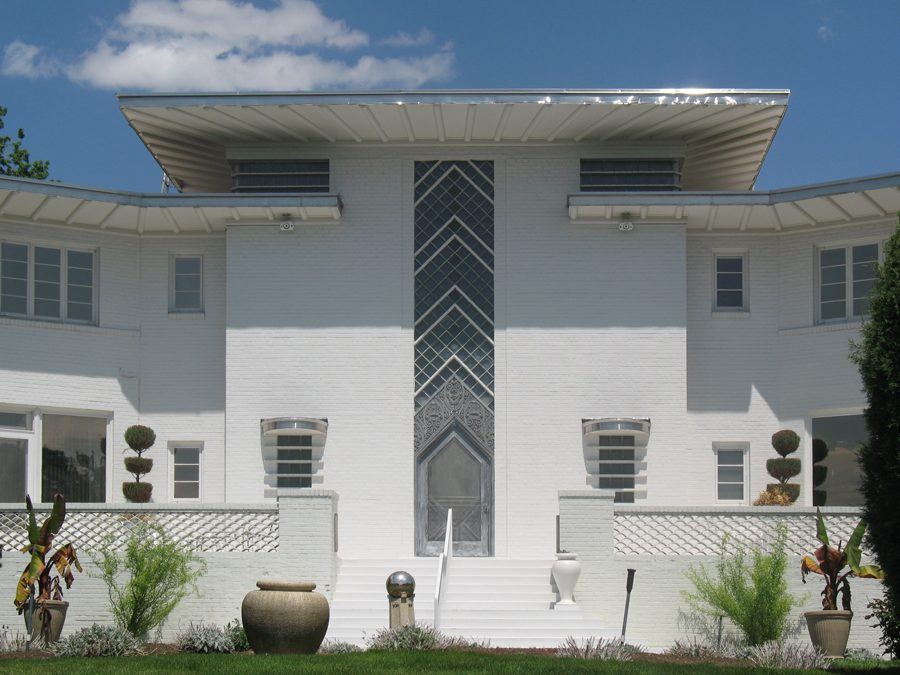
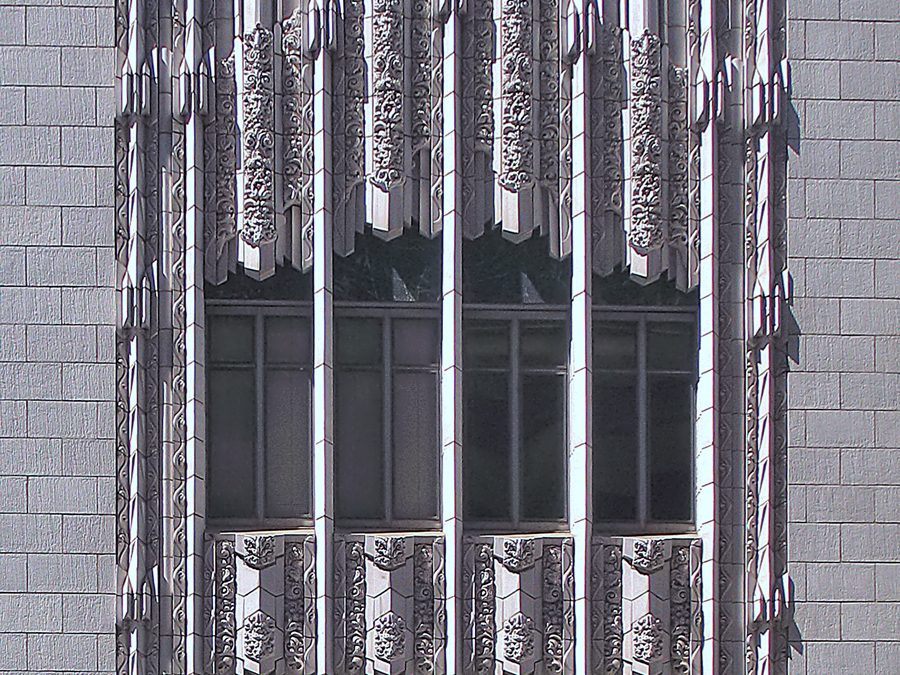
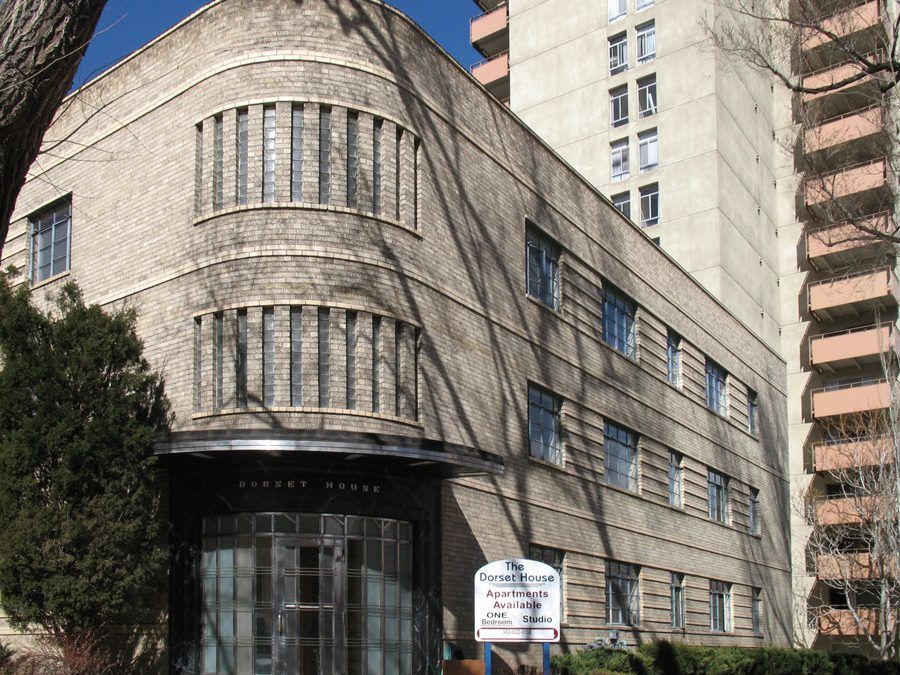
Art Deco...

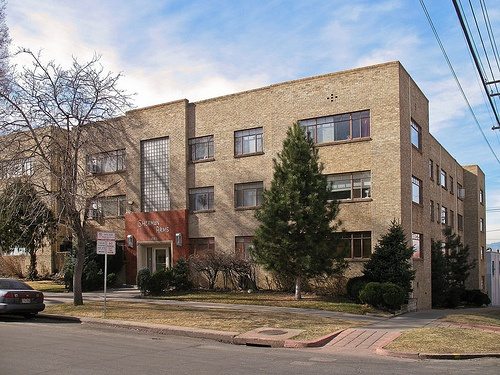
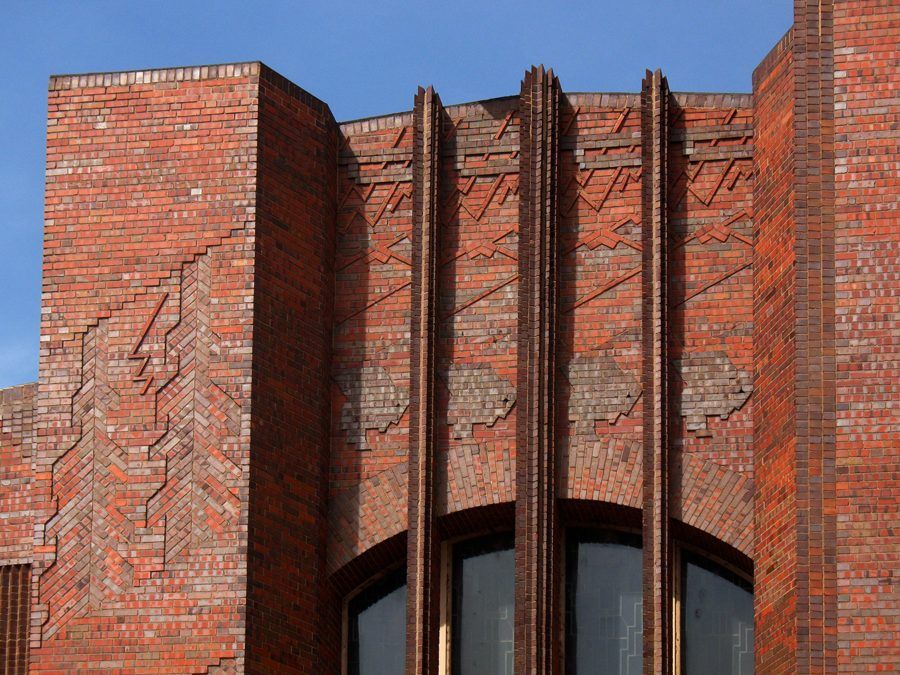
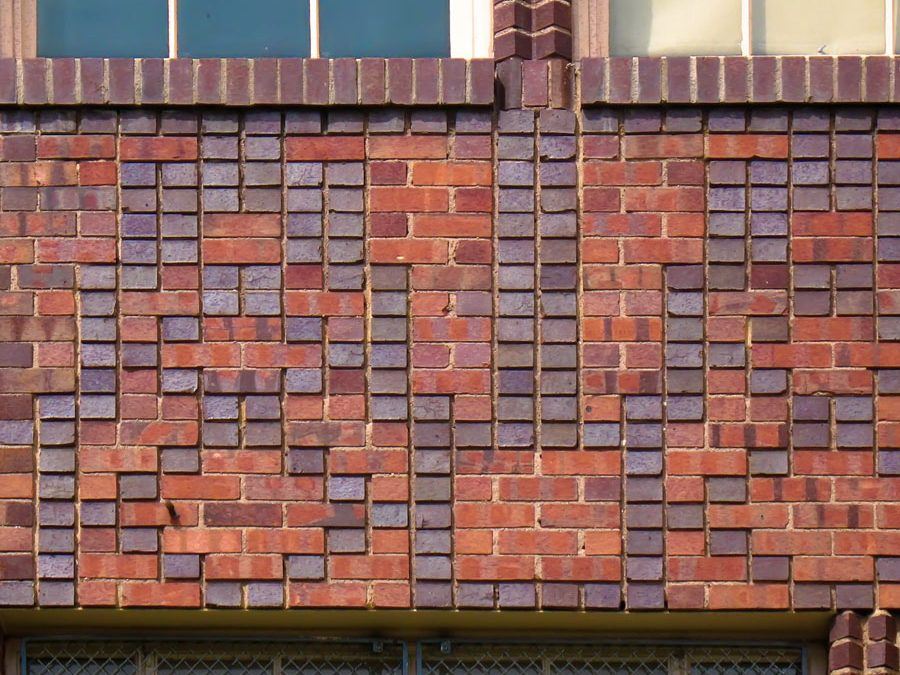
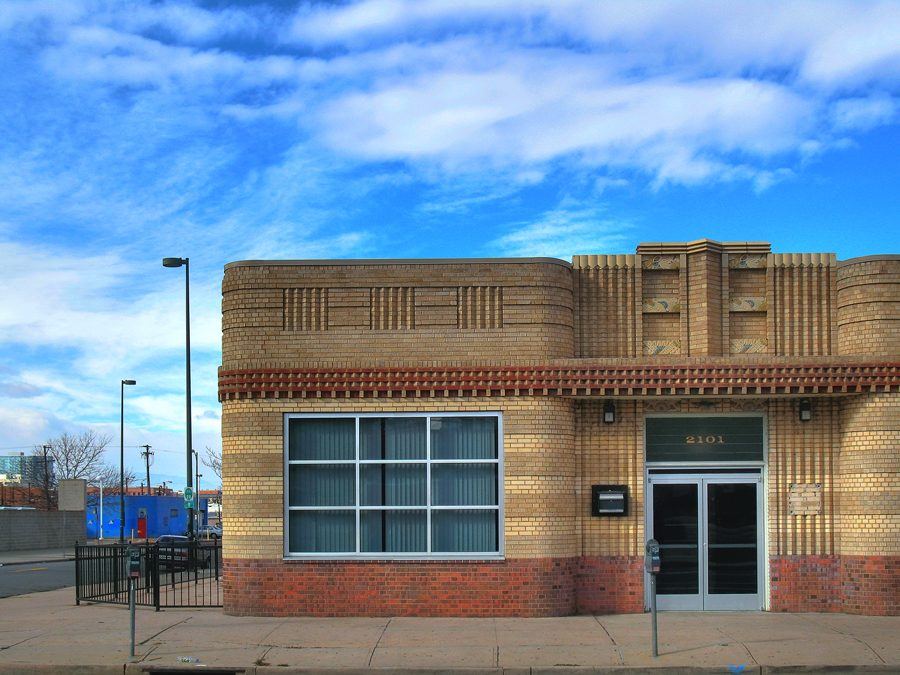
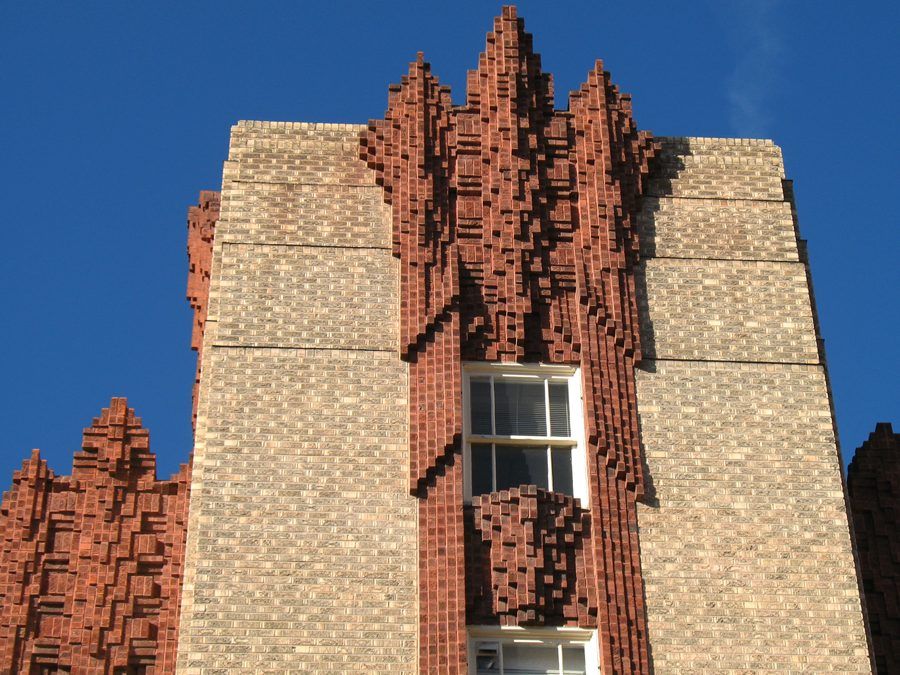
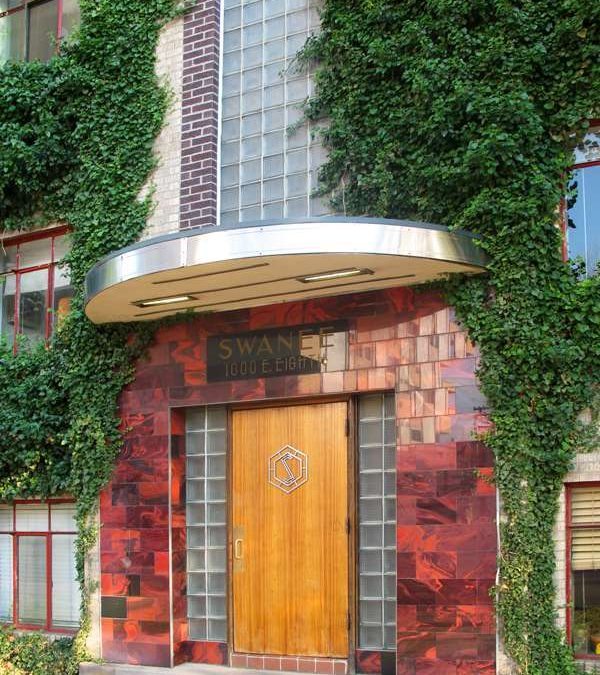
Dogtooth brick

Denver-IMG_7614

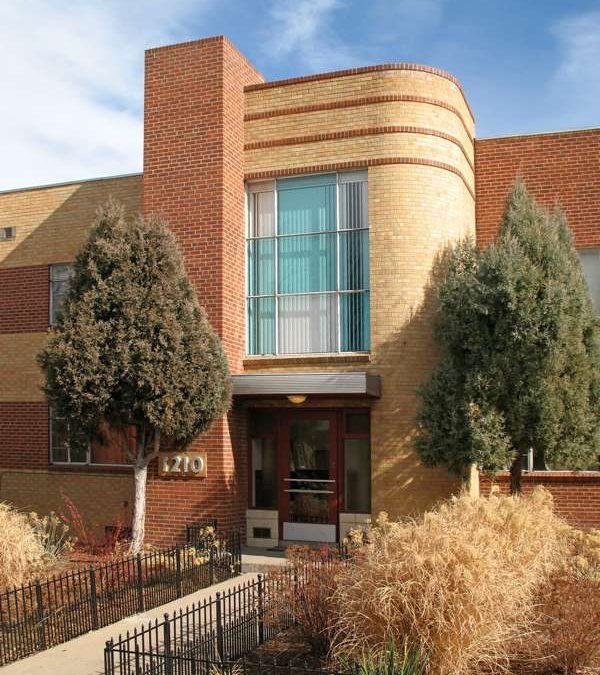
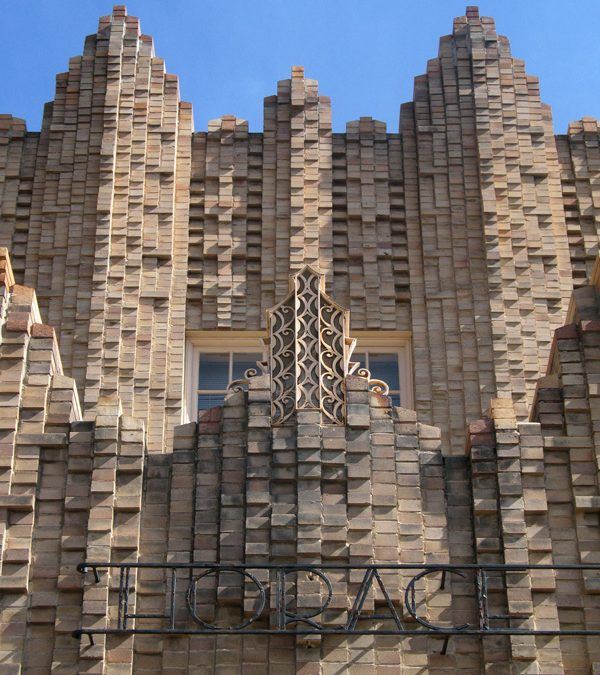
An example of the use of the dogtooth pattern of Art Deco brickwork on the Colorado
Coalition for the Homeless
building

July 8th, 2012 / No Comments » / by Tom Lundin


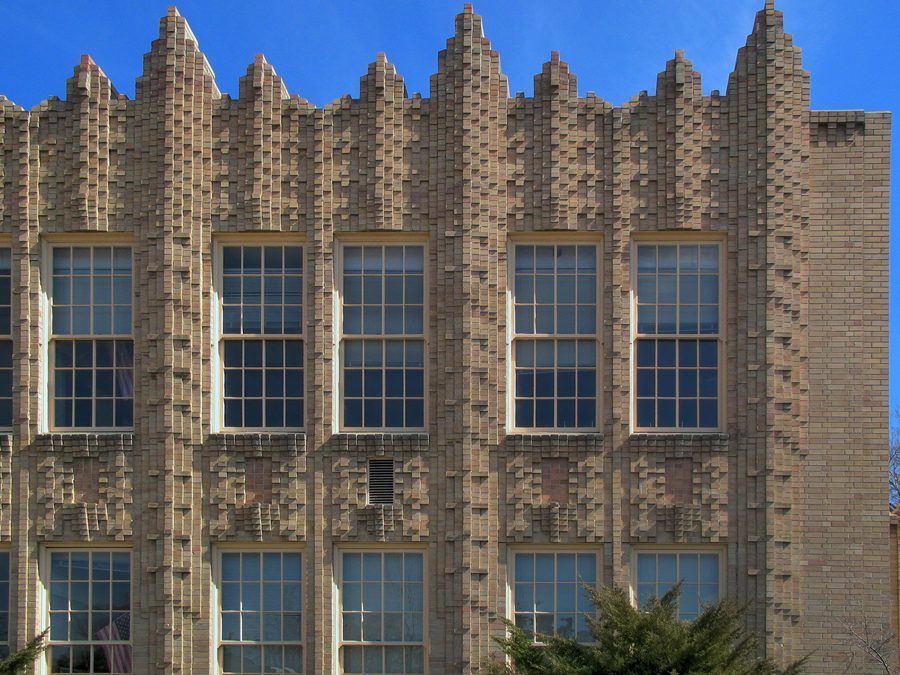
Brick detail

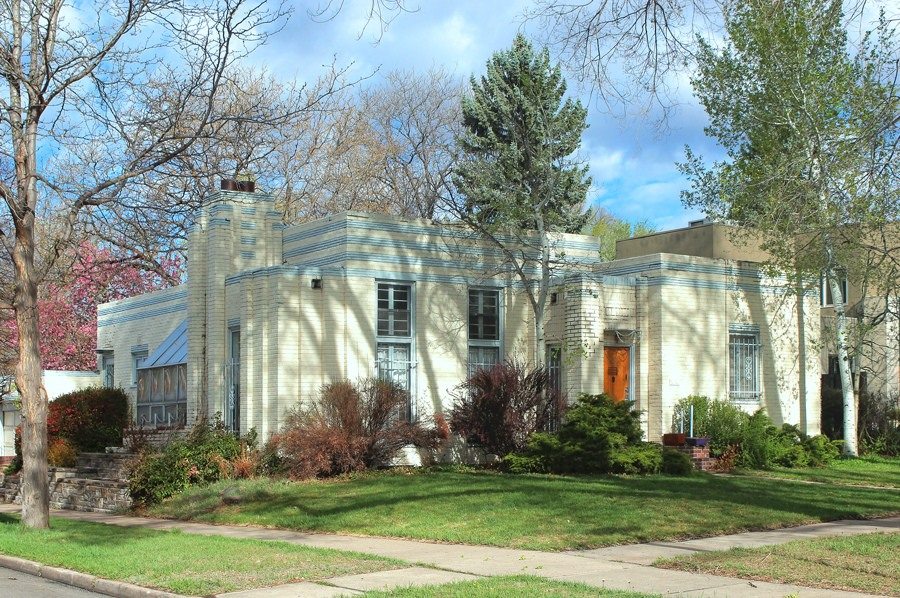
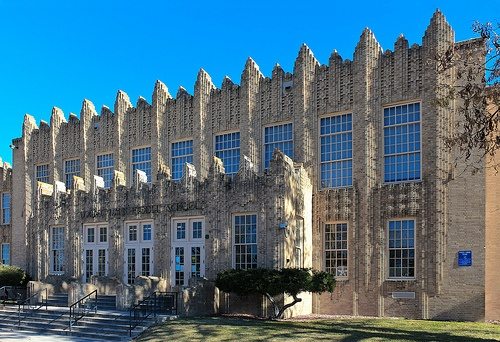
Musick-Bryant-Webster-School-IMG_2794

Art Deco brickwork detail from Bryant-Webster Elementary School, designed 1932
by G. Meredith Musick and J. Roger Musick.

July 6th, 2012 / No Comments » / by Tom Lundin


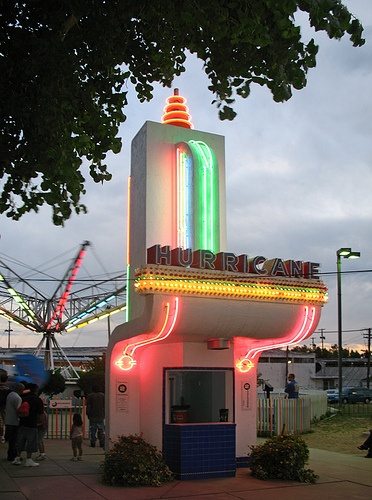
Hurricane

Hurricane

A SketchUp illustration of the art-deco Hurricane ticket booth at Lakeside Amusement Park, designed by Richard Crowther.

I’ll post one more illustration, then back to photo fun.

June 19th, 2012 / No Comments » / by Tom Lundin


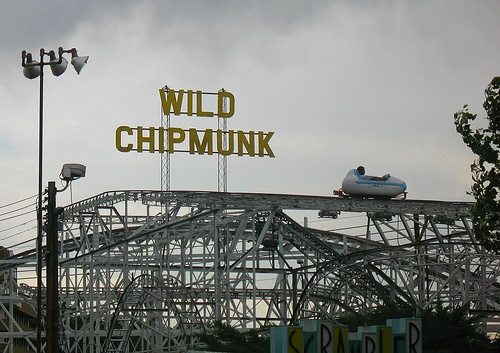
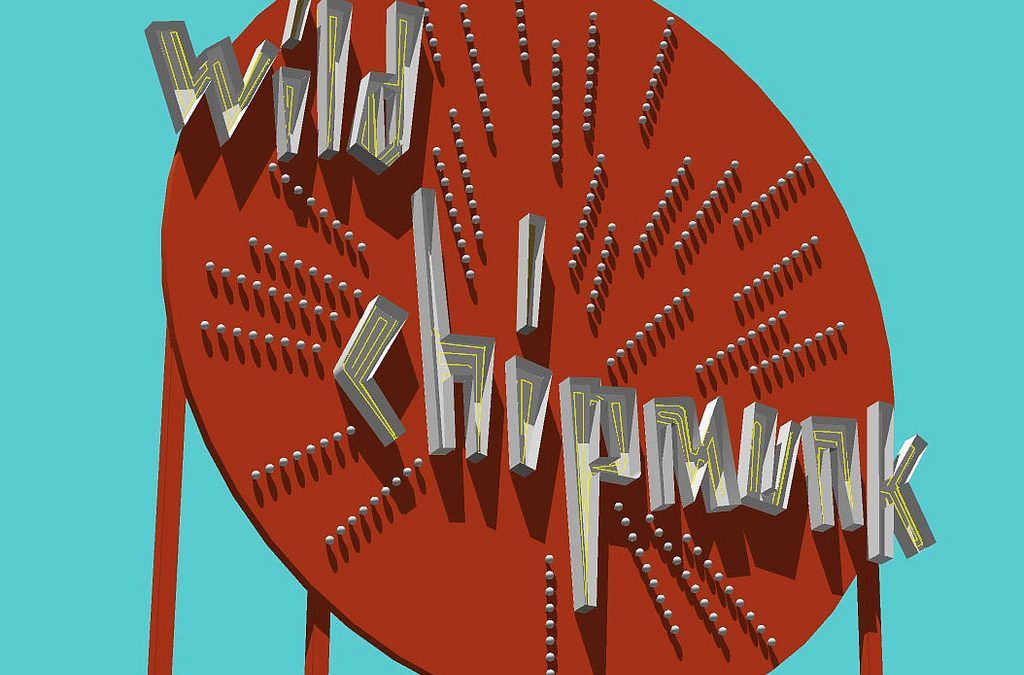
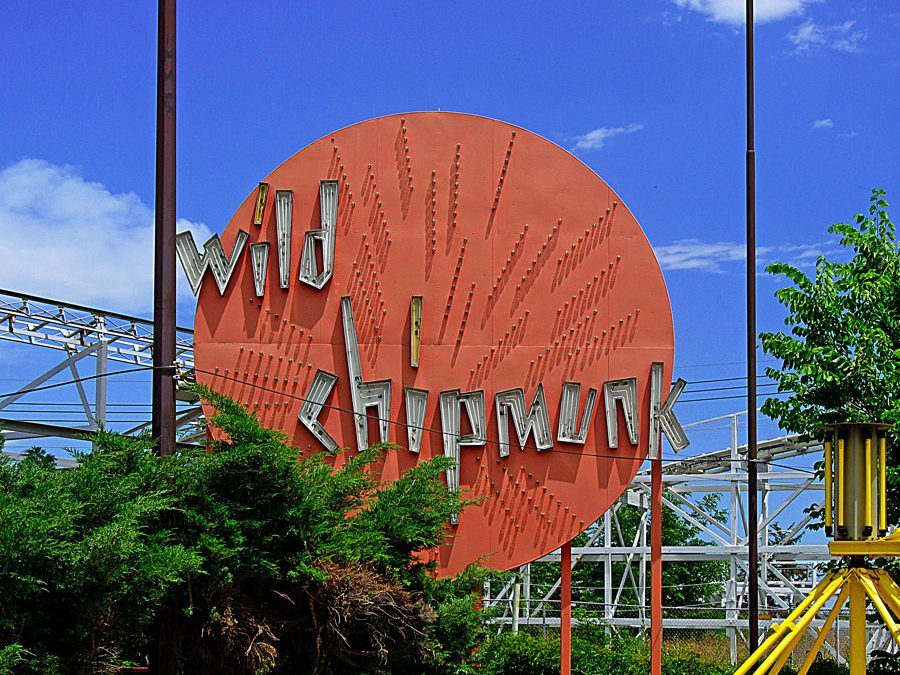
Wild Chipmunk sign

WildChipmunk_sign

SketchUp illustration of the Wild Chipmunk sign at Lakeside.

June 15th, 2012 / No Comments » / by Tom Lundin


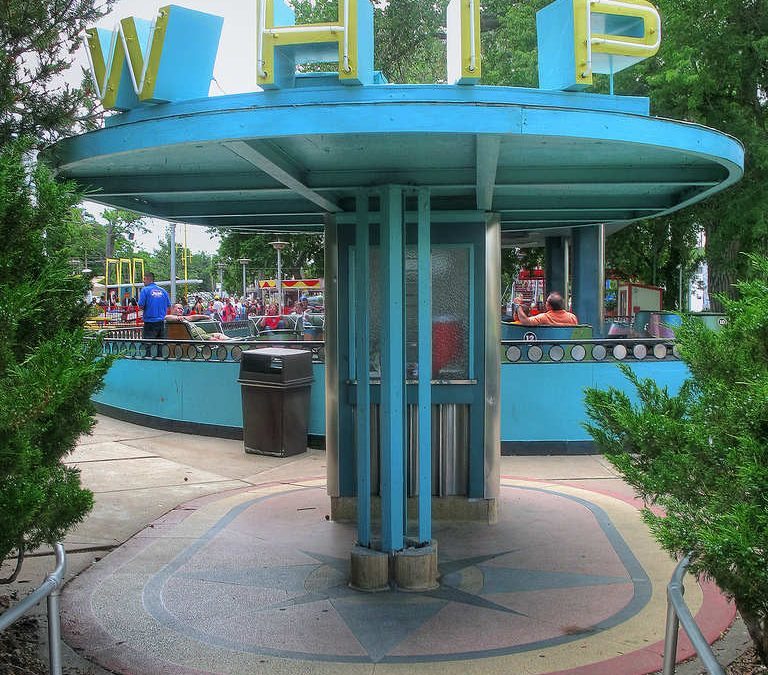
Lakeside Ticket Booth

Lakeside_booth

A SketchUp illustration of a Lakeside ticket booth.

Hey, come join us now on Facebook: http://www.facebook.com/TheDenverEye

June 14th, 2012 / No Comments » / by Tom Lundin


500th post! Lakeside extravanganza!

This is the 500th post to The Denver Eye!

IMG_5817

Tom Lundin here, Eyeballer #1. I first took up architectural photography in 2006 to
supply myself with source material for my technical illustration habit. Photography quickly
became an obsession.

IMG_5809

To celebrate I am posting these Lakeside Amusement Park shots from that year, 2006. Lakeside doesn’t always allow you to photograph freely, but these were all taken before that became an issue. All I had in those days was a point-and-shoot-camera with all the distortion and poor shadows that come with a smaller digital sensor and static lens. And on that day I dealt with weather that I could not control. But the subject matter stands out no matter what the circumstance!

IMG_5782

IMG_5761

Lakeside Amusement Park started as a White City in 1908. White Citys sprung up in various places across the United States as imitations of the White City set up at the World’s Columbian Exposition of 1893 in Chicago. There, they built a Beaux-Arts style city with hundreds of thousands of light bulbs provided with electricity by the competing technologies of Thomas Edison (direct-current) and Nikola Tesla (alternating-current).

The Tower of Jewels above is decorated with 16,000 light bulbs.

IMG_5749

Lakeside is one of the oldest remaining amusement parks in the U.S. After Benjamin Krasner bought the park in the 1930s, he gave it an incredible Art Deco makeover with the aid of architect Richard Crowther.

IMG_5750

When Richard Crowther moved to Denver, he was an expert at neon lighting as he had just lit up the San Francisco Golden Gate International Exposition Fair of 1940. Crowther became a famous Denver modernist architect, designing the Neufeld House in 1956. He designed multiple Cinerama theaters including Denver’s Cooper Theater on Colorado Blvd (now gone), and achieved his greatest fame as a pioneering green architect in Cherry Creek, noted for his use of Passive Solar Heating.

Cooper

The Cooper Cinerama Theatre, from 1961.

IMG_5698

Lakeside is filled withoutstanding examples of Art Moderne or Streamline Modern signs, ticket booths, gardens and other features. The parts of the park that are not Art Deco are from the original White City and are often reused elsewhere in the park.

IMG_5699

IMG_5700

IMG_5753

IMG_5857

IMG_5787

IMG_5720

IMG_5723

IMG_5772

IMG_5736

The Starride ferris wheel from the earlier days of the park.

IMG_5710

IMG_5706

IMG_5798

A minature diesel version of the Zephyr!

IMG_5743

IMG_5746

IMG_5752

IMG_3184

When this tower was built in 1908, it was the tallest structure in the state!

IMG_5807

IMG_5776

IMG_5774

IMG_5777

IMG_5707

IMG_5792

IMG_3183

IMG_5854

IMG_5855

Looking out over Lake Rhoda.

IMG_5869

Lakeside Speedway closed in 1988 after 50 years of racing!
IMG_5802

IMG_5768

IMG_5718

Lakeside’s famous Merry-Go-Round. Four rows filled with the widest variety of animals you will ever see on any merry-go-round.

IMG_5839

IMG_5836

IMG_5844

IMG_5742

IMG_5732

IMG_5733

IMG_5716

IMG_5711

IMG_5730

IMG_5727

IMG_3199

White City’s Casino Theatre

IMG_5826

This steam-powered minature locomotive has been running here continously since the opening of the park in 1908!

IMG_5827

IMG_5758

IMG_5757

6

IMG_5747

IMG_5850

IMG_5834

IMG_5845

IMG_5848

IMG_5737

IMG_5745

June 5th, 2012 / 7 Comments » / by Tom Lundin


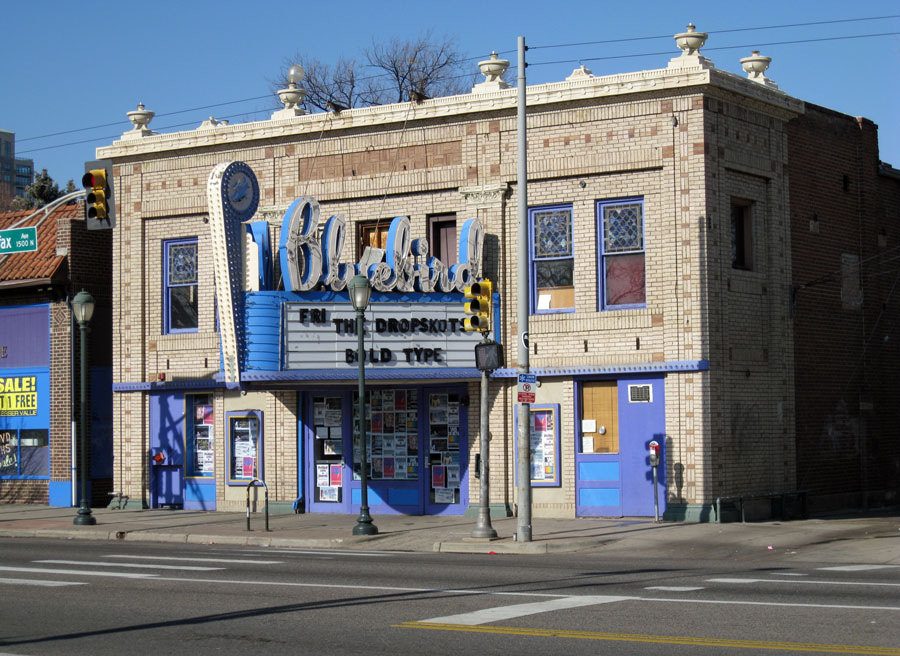
Bluebird Theatre

Denver_CO_Bluebird_Theater_20071122_01

Photo © 2012 Scott Murdock

Guest photographer Scott Murdock with an iconic shot of the Bluebird Theater on Colfax.

The theater was designed by Harry Edbrooke in 1913 for John Thompson and was originally called the Thompson Theater. While movies had been playing in town before 1913, the Bluebird was the first theater in Denver designed specifically for screening films. Edbrooke is probably the most famous and prolific of downtown Denver’s architects. (And he later designed the Ogden Theater for Thompson as well.)

Harry Huffman, the Denver movie theater mogul (who built Shangri-La), bought the theater in 1921, changed the name and added the first Bluebird signage, which originally had a very large bird placed on top. I assumed the sign was replaced with the current Art Deco sign in the ’30s.

May 22nd, 2012 / No Comments » / by Scott Murdock

Alexandra in the Cruise Room

IMG_2812-B&Wsmall

My daughter Alli with camera in the Cruise Room bar in the Oxford Hotel.

Alli_DSC01594

Alli is a great photographer, here is a recent favorite of mine that she has taken.

May 16th, 2012 / 1 Comment » / by Tom Lundin


Art Deco Interior of the Paramount Theatre

IMG_1750z

Designed in 1930 by Temple Buell, the opulent Art Deco Paramount Theatre is the
last of the original downtown Denver movie palaces.

IMG_2847

The interior is filled with Zig-Zag Moderne motifs, fake gold leaf, copper and bronzing.

(Note, in this shot, you can even spot a Green Man a few feet above the tapestry.)

IMG_2848

I was visiting here for Doors Open Denver 2012.

IMG_2849

The Paramount featured Denver’s first silk murals, designed by Vincent Mondo.

IMG_2846

IMG_2877

IMG_2860

The theater currently houses twin-consoles for a Wurlitzer Organ which raise up out of the theater floor. This organ was intended to accompany films of the silent era, but this period ended not long after the theater was completed.

IMG_2859

I am going to borrow an incredibly detailed comment to my other website to describe this organ:

“One notable thing about the Paramount Wurlitzer is that it isn’t really quite like Radio City. The latter can be said to have TWO organs – there are two consoles with separate relays (controls), and both operate independently. This was the only Wurlitzer – the only theatre organ of any brand – ever built with two master consoles, both in a magnificent Streamline Moderne style (Wurlitzer only built five Streamline consoles – not their rarest or most unusual console design, but close).

The Denver Paramount is one of the few remaining of ten Wurlitzer installations using two consoles with only one relay. The second console, on the right in this installation, is a slave to the first. What does this mean? The stop tabs are all dummies, and the stops chosen at the main console work on the slave at the same time. If the master’s lowest keyboard currently is set to play a trumpet, the slave’s lowest is also set to play the trumpet. The slave can only change stops using the thumb pistons beneath each manual, but these mirror the main’s pistons. How can you tell which is the slave? Most slave consoles were simpler in design in some fashion – sprayed-on decoration instead of applied ornament, in the case of the Brooklyn Paramount with its French-style consoles. Those like this one, with the “Modernistic” (Wurlitzer’s term) or ‘waterfall’ console, used a three-manual console shell for the slave. The slave here also has a simpler bench.

Other signs: The master has two full horseshoes of tabs, two straight rails in back, and a partial curved rail on each side. The slave has what most three-manual consoles have: single back straight rail and no partials on the sides. The master has four pedals: three swell pedals (main, solo, and general) and one crescendo, plus a row of toe studs on the left and thunder/drumroll pedals on the right; the slave has nothing but a single general pedal. Last, the master has swell indicators; the slave doesn’t.

I’m not sure if any other master/slave Wurlitzers exist anywhere else any more; if they do, I can’t find mention of any offhand. In some cases, the slave consoles were sold off – the slave from the State Theatre in Melbourne now controls as a master at Australia’s Capri Theatre. A theatre in NYC had one just like this; it was taken to Salt Lake City and rebuilt into a 5-manual Modernistic console in a bizarre metallic purple finish, with five ranks of Robert Morton strings added, and is in a catered club called the Organ Loft.”
- Comment by Jonas

IMG_2850

Zig-Zag Moderne vaulted sunburst ceiling

IMG_2861

IMG_2862

IMG_2895

Cut glass chandeliers

IMG_2889

The steel work of the interior

IMG_2909

One of three projectors

IMG_2869

IMG_2880

And more Green Men

IMG_2882

Info from: Paramount Denver and ModMidMod.

And be sure to visit this website of the Rocky Mountain Chapter
of the American Theatre Organ Society.

May 15th, 2012 / 1 Comment » / by Tom Lundin


http://www.youtube.com/embed/7gqSLERc1GE